Fremont sits in a unique position. It has the industrial backbone of a legacy manufacturing hub, the tech DNA of the Bay Area, and the population churn that comes with rapid growth and a high cost of living. That mix shows up in crime patterns and in the way local businesses approach security. Owners ask the same questions every quarter: Are incidents rising or falling? Where are the weak points? Which investments pay off, and which are just window dressing?
What follows pulls together Fremont business security statistics, lessons from recent years, and practical guidance on technology, policy, and neighborhood coordination. I work with Bay Area operators who run light industrial sites in Warm Springs, storefronts on Fremont Boulevard, and professional offices near the civic center. The patterns repeat across sectors, but the details matter a lot, block by block.
What the numbers say about Fremont
Fremont’s overall crime rate is lower than many large Bay Area cities, yet that headline obscures what business owners actually face. Property crimes dominate incident reports that touch commerce: burglary after-hours; theft from buildings or storage yards; catalytic converter hits on fleet vehicles; organized retail theft in busy corridors; and a recurring pattern of vandalism tied to transients and after-hours gatherings in parking lots. Violent crime rates remain comparatively low, but even a modest uptick in commercial robbery https://jsbin.com/jayisifezi can shape policy and staffing.
City data and annual summaries from Fremont Police Department typically show property crime making up the large majority of reported incidents. Year to year, totals move with broader regional trends. During the 2020 to 2022 period, for example, many Bay Area cities saw spikes in vehicle-related theft and catalytic converter activity. Fremont was not immune, though the city’s numbers tend to sit below Oakland and San Francisco on a per-capita basis. By 2023 and into 2024, several categories moderated, while shoplifting and fraud remained stubborn.
For business planning, the more useful scale is the micro map. Fremont business security statistics vary by corridor. The Irvington and Centerville business districts carry steady foot and vehicle traffic, which cuts both ways: more witnesses, yet also more opportunity for quick grabs in parking lots. Industrial parks near Warm Springs and South Fremont see after-hours trespass counts rise during periods of regional economic stress. The Mission area, with mixed-use zones and residential proximity, gets a different blend of calls for service: package thefts, garage door probing, and vehicle break-ins at trailheads or church lots.
The number that often changes behavior is response time. Local alarm response systems that can verify events tend to get a faster dispatch. False alarms remain a persistent drag, and Fremont, like many cities, has protocols that deprioritize unverified burglar alarms. That is not a policy quirk, it is a volume management reality. The implication for owners is clear: verification, whether via audio talk-down, video, or on-site guard check-ins, tightens the loop and improves outcomes.
Where incidents concentrate and why
Patterns show up once you layer time of day, site layout, and adjacent land use. After-hours burglary attempts cluster where fences meet blind spots, especially behind warehouses that back onto drainage channels or utility easements. Copper theft surges typically coincide with construction cycles and commodity price spikes. Retail theft concentrates around shopping centers with multiple entries and easy freeway access, making quick exits simple. Graffiti and vandalism often trace to lighting gaps, unprogrammed public space, and walls that provide concealment.
Fremont neighborhood safety is not a single metric. Businesses near schools, places of worship, or transit stations experience different risk profiles than those adjacent to unfinished developments or long-vacant parcels. A coffeehouse next to a bus stop has to plan for open doors and constant foot traffic. A machine shop tucked into a cul-de-sac needs perimeter awareness, exterior cameras that see beyond the fence line, and clear lines of sight from the street to deter lingering.
Home break-in trends in Fremont matter to businesses with live-work footprints and to those that share parking areas with residential complexes. When a neighborhood sees a run of daytime door knocks and back-yard entries, expect overflow effects: suspects checking cars at nearby commercial lots, increased trespass through business alleys, and more opportunistic grabs from open delivery bays.
Technology that moves the needle
Crime prevention through technology has matured. The automation hype gets loud, but the gains come from disciplined design and integration rather than fancy features in isolation. The playbook that actually reduces incidents in Fremont leans on five pillars: detection, verification, communication, delay, and accountability.
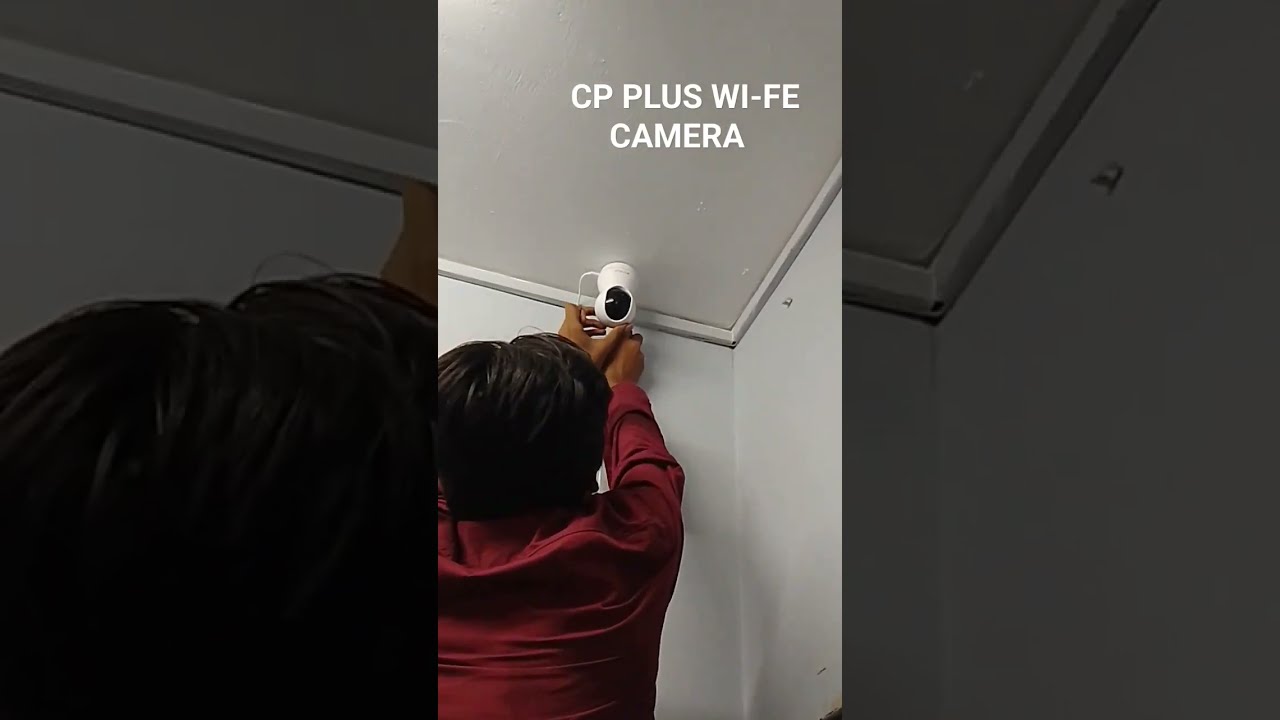
Detection means the system sees the event early. That could be line-crossing analytics on cameras at fence lines, beam sensors over roof ladders, or magnet contacts on a yard gate. In Fremont’s wind and rain, devices must be tuned to cut false positives from tree branches, fog, and small animals. Verification adds confidence, which gets you better dispatcher attention. The gold standard is live video or two-way audio talk-down, where a monitoring agent can challenge and record. Communication covers both the path from site to central station and the on-site messaging that deters. Talk-down speakers that issue specific warnings, not generic sirens, change behavior. Delay is physical: bollards in front of rolling doors, internal cages around high-value stock, and door hardware that resists the common pry tools used in quick hits. Accountability is the piece many miss: clear evidence collection, time-synced cameras, and well-lit capture angles that help detectives make cases.
Top security companies in Fremont, and the best CCTV providers in Bay Area more broadly, tend to converge on similar component stacks. The differences are in how they map devices to risk on a particular site and how they stand behind ongoing service. In practice, the strongest outcomes come from mixed systems: fixed 4K cameras for coverage and license plate capture at ingress points, varifocal cameras for long shots down alleys, thermal or radar sensors for large yards, and monitored intrusion with video verification. A Fremont retailer I work with cut after-hours break attempts by more than half simply by adding a talk-down speaker to the rear loading area and repositioning one camera to capture faces at the exact angle offenders used when checking the door seam.
What the law allows and what it forbids
Security camera laws in California are straightforward on the core rights: businesses may record video in public or semi-public areas of their property where there is no reasonable expectation of privacy. Lobbies, sales floors, parking lots, alleys, and fenced yards are generally fine. Bathrooms, changing rooms, and dedicated employee rest areas are off-limits. Audio recording is where owners get tripped up. California is a two-party consent state for audio. Recording conversations without consent can violate state law, even if the cameras are in a public-facing area. If your cameras also capture audio, disable that feature unless you have a specific consent mechanism or signage and policies vetted by counsel. Two-way talk-down used for deterrence is not the same as capturing ongoing conversations between patrons or staff.
Retention rules hinge on your business category and regulatory environment. For most retail and industrial uses, keeping video for 30 to 90 days is common and often sufficient. If you operate in a regulated sector or handle hazardous materials, your counsel may recommend longer retention. Fremont does not impose a unique municipal camera law that overrides state rules, but businesses adjacent to multi-family housing or near schools should check posted district guidelines, especially for shared easements.
Employers should also be clear with staff. Surveillance policies belong in the handbook. Be explicit about where cameras are placed, how footage is used, and who has access. Internal misuse of security systems creates its own liability.
What local response looks like
Local alarm response systems in Fremont fall into three patterns. First, police dispatch for verified burglar alarms and crimes in progress. Second, private guard response under a contract with a local patrol company. Third, hybrid models where a remote monitoring center provides live verification and escalates either to a guard run or to police, depending on the event. Businesses that rely only on unverified door contacts wait longer. Clients who invest in video verification and train staff to avoid unnecessary motions in closed areas see faster, more consistent response.
One Fremont metal fabricator changed outcomes by moving from an unverified panel to a camera-based verification service. Before, they had two patrol checks per week. After the change, they saw a drop in trespass attempts within three months. The monitoring center issued live voice challenges three times, police responded twice, and word seemed to spread among the small group that had been probing the yard. The guard costs fell, while the verification fee paid for itself in one avoided break-in.
The role of Fremont community watch programs
Police and the city’s outreach teams coordinate neighborhood watch and business watch programs that share alerts, pattern updates, and practical advice. Fremont community watch programs are not a panacea, but they matter for small details that never make the news. A string of ladder thefts from contractors’ trucks can be solved when ten businesses align on marking equipment and watching for a particular vehicle pattern. A merchant group on a block that shares camera clips and suspect descriptions can help detectives connect dots and make a case that clears multiple incidents.
The participation rate matters more than the format. When two out of twenty storefronts show up to quarterly meetings, momentum dies. When a majority attends and agrees on two or three simple steps for the next quarter, results follow: adjusting closing routines, cleaning up sightlines, posting consistent signage, and coordinating with a single patrol company so response coverage is predictable.
What Fremont’s break-in patterns teach about design
Home break-in trends in Fremont often foreshadow techniques used against small businesses. Daytime knocks to check occupancy during work hours can migrate to professional suites with glass doors. Garage prying tools appear later in rear door attacks on retail spaces. Catalytic converter thefts targeting specific vehicle models replicate in business lots where fleet vehicles are parked nose-out with easy creep access.
Design counters these patterns. For glass fronts, mullion-mounted secondary locks and protective film slow a smash-and-grab just enough to trigger detection. For rear doors, a latch guard plate and internal drop bar deny quick pry tools. For parking lots, reorient fleet vehicles with exhaust systems inward and under lighting, and add a low-angle camera to read license plates at the exit lane. Small changes matter. A Fremont tutoring center reduced after-hours glass taps by covering interior displays that signaled expensive electronics, then added a photocell to brighten the front light earlier on overcast afternoons.
Choosing a partner: what separates the strong from the weak
The Bay Area has many integrators. The top security companies in Fremont tend to show three traits. They ask hard questions during the site walk, they document a risk map rather than pushing a kit, and they commit to maintenance. If a vendor does not talk about cleaning exterior lenses quarterly, you will not get the evidence you need. If they do not offer firmware management and user audits, your system will drift into misconfiguration within a year.
The best CCTV providers in Bay Area pitch cameras last, not first. They start with the incident types you want to prevent and the outcomes you expect. If shoplifting is the pain point, visible domes near entrances and exits, smart shelving layout, and staff positioning move the needle more than megapixels alone. If yard theft is the issue, cameras are part of a layered system with lighting, fencing, and access control. If liability is a concern, camera placement must capture the walking surfaces and ramp transitions where falls occur, with even illumination and accurate time stamps.
Price is not the only variable. Long-run cost depends on the service contract, storage strategy, and network design. A lower upfront cost with fragile cloud bandwidth assumptions can create sputters during high-traffic hours. Local recorders with cloud backup offer resilience, but only if configured correctly and monitored for disk health.
Policy, people, and the last mile of execution
Technology fails without consistent human habits. Fremont businesses that report lower incident rates share three behaviors: they close with intention, they keep storage areas disciplined, and they review near misses. A chain pharmacy tightened its close-out routine so the last staffer does not exit alone, and cash drawers are never visible. An automotive shop cleaned up its parts storage and audited who had keys to cages. A restaurant owner reviewed weekly clips to spot patterns: the same visitor circling the dumpsters before peeking into the back door window at closing time.
Fremont safety initiatives from the city side have focused on environmental design, lighting grants in some districts, and coordination with business improvement districts. Owners can amplify the effect by matching those investments: their own LED upgrades, fresh paint where graffiti once stuck, and measured landscaping that removes hiding spots. Police often emphasize CPTED, the crime prevention through environmental design playbook. In Fremont, it works when adapted to the local climate and building stock. Bright lights must be aimed to avoid spill into residential windows, and motion-activated settings should be tuned so wind gusts do not create constant triggers.
Avoiding legal and reputational missteps
Beyond camera laws, pay attention to signage, data security, and vendor access. Post clear notices about surveillance. Train managers on footage requests and retention holds after an incident. Lock down remote access with multi-factor authentication and unique accounts rather than shared logins. This is not paranoia. A Fremont retailer lost a week of footage after a disgruntled former manager used an old credential to reset a recorder. It was avoidable.

When incidents involve unhoused individuals, mental health crises, or minors, treat footage with care. Coordinate with police before sharing clips widely. Public shaming on social media can backfire and complicate investigations. Work through formal channels and preserve evidence.
Metrics that matter for Fremont operators
Track what you can control. Incident counts are blunt, but time-to-detection and time-to-voice-challenge are sharper indicators of system health. False alarm rates below 10 percent per month show that devices are tuned. Camera uptime should stay above 98 percent, measured by pings and clip checks, not just device online status. Response times from your guard service should be measured and reviewed quarterly. If they slip, adjust coverage or change vendors.

Fremont business security statistics improve when owners audit. A quarterly walk with the integrator and a line manager catches broken housings, dirty lenses, foliage growth, and blind spots created by new fixtures. After any incident, conduct a short, honest review: what did we detect, how fast did we respond, what evidence was usable, and what is the cheapest change that improves the next event?
How neighborhoods shift the calculus
Fremont neighborhood safety depends on participation. Blocks with engaged owners and steady environmental upkeep repel opportunistic crime. A single vacant storefront can become a magnet if lights stay off and windows stay papered for months. If you have a neighbor in that position, coordinate to light the facade, even temporarily. It protects your frontage too.
Parking lots shared with multiple tenants deserve shared rules. If one tenant props a rear door during deliveries, everyone’s risk climbs. Set delivery windows, post reminders, and back them with friendly accountability. Signage works best when consistent across a block. The same goes for camera placement at entry drives. If two adjacent lots point cameras at different angles, neither gets clean plates. Align them and cover both directions.
Practical upgrades that pay for themselves
Small, targeted upgrades often beat expensive overhauls. Replace two legacy cameras with one high-resolution plate reader at the main exit lane. Add a strobe with a voice-down unit at the yard gate where attempts start. Install bollards where a rolling door faces the street. Put protective film on storefront glass, then move display cases back two feet so smash attempts do not yield easy grabs. Retune motion schedules to match actual business hours, including seasonal changes when darkness falls earlier.
If you rely on local alarm response systems, test them. Schedule a verification drill with your monitoring center. Confirm that agents have the correct contact tree and site notes. Make sure they announce the right property name on a talk-down, not the name of a previous tenant.
Working with the city and staying current
Fremont safety initiatives evolve. Sometimes grants are available for lighting or facade improvements in specific districts. Police publish periodic updates on crime patterns and arrest activity that can shape your strategy. Subscribe to city and police newsletters, and appoint someone on your team to attend meetings quarterly. Take notes and share them with staff. Knowledge without dissemination does not help on a busy Wednesday night when a problem reappears at the back door.
If your business joins a district association, advocate for data. Aggregated, anonymized stats by block or category help businesses see whether a spike is a personal outlier or a neighborhood trend. When the latter, group solutions become cost-effective: shared guard patrols, coordinated lighting projects, or a pooled fund for plate readers at key ingress points.
What good looks like over a year
A solid year for a Fremont business might include fewer than three reportable incidents, near-zero false alarms, and at least one meaningful improvement implemented each quarter. Staff stay trained, the monitoring center logs show short time-to-verify, and your vendor closes tickets within agreed SLAs. Your neighbors know your point of contact. Police recognize your site notes when a call goes out.
On the other hand, if your stats show repeated nuisance trespass, a rash of vehicle break-ins, or chronic false alarms, treat that as a system problem, not a streak of bad luck. Revisit the layers: detection at the perimeter, verification that gets attention, communication that deters, physical delay that steals the offender’s time, and accountability that supports law enforcement. In Fremont’s context, that layered approach is what separates the businesses that ride the regional crime waves from those that get dragged by them.
Final takeaways for Fremont operators
- Invest in verification. Fremont dispatch prioritizes confirmed events, and that one change often produces the biggest improvement in outcomes. Tune to the block, not the brochure. Risk varies wildly across Fremont. Walk the alley, watch the lot at night, and configure for what you see. Respect California law. Video in public areas is fine, audio recording is risky without consent, and private areas are off-limits. Join the neighborhood. Fremont community watch programs and merchant groups multiply your investment by sharing patterns and solutions. Measure and maintain. Quarterly audits, clean lenses, tested alerts, and tight access controls make your system dependable when it counts.
Fremont offers a workable environment for businesses that pay attention. The city’s overall rates are manageable, and the police department engages constructively with owners who verify alarms and supply clean evidence. The difference between a secure operation and a porous one is rarely a miracle technology. It is consistent execution, adapted to the neighborhood, grounded in law, and supported by vendors who show up after the install.