A commercial CCTV project starts long before a drill spins or a camera points at a doorway. The best systems come from disciplined planning, clear compliance targets, and careful attention to how people actually use a space. I have walked warehouses where cameras looked perfect on paper yet missed the pallet staging area by a few feet. I have also seen a retail chain reduce shrink by double digits after adjusting only five camera positions and changing two lenses. Technology matters, but design discipline saves you on day one and every day after.
Defining the job to be done
Start by writing down the real outcomes you want, not just “security.” Be specific. Catch unauthorized dock activity within 10 seconds. Capture faces at main entrances with 80 pixels per foot. Provide legally defensible video retention for 45 days. Support remote monitoring during overnight hours with alerts tied to analytics. These outcomes drive everything else, from selecting the best cameras for businesses to calculating storage on the network video recorder setup.
For multi-site businesses, standardizing outcomes pays off. A restaurant group in Northern California cut investigation time in half by enforcing the same coverage objectives for back doors, registers, and trash corrals across 18 locations. The cameras varied by room layout, but the measurable targets did not.
Risk mapping before camera mapping
Walk the site with a floor plan, a highlighter, and someone who knows daily operations. In a distribution center, that will not always be the owner. It might be the night shift lead who knows where temp workers clock in or where forklifts stage. Mark your risk categories: theft targets, safety hazards, cash handling points, key access paths, public entrances, and secluded spots. Then mark lighting conditions and natural choke points, like a vestibule or turnstile.
If your project is a new build, coordinate early with the architect and GC to place conduit stubs and low-voltage pathways where they will actually be used. The most expensive footage in the world is the footage you never get because the camera you needed has no path for cable or power.
Coverage, identification, and pixels that matter
Cameras do three jobs: observe, recognize, and identify. Observation spots activity in a large area. Recognition lets you confirm a person or vehicle is the same one seen earlier. Identification captures enough detail to support a positive ID.
People often ask for a single camera to do all three. That usually leads to disappointment. The design discipline is to map each view to its job. For entrances, target facial identification. At cash wraps, capture hand movements and bills. In parking lots, plan for license plate capture at controlled lanes rather than hoping to read plates across an entire lot.
Use pixel density as your grounding metric. For reliable faces, plan around 65 to 80 pixels per foot at the subject distance when light is decent. For general observation, 20 to 30 pixels per foot often works. You can achieve this with a tighter lens, a closer camera, or higher resolution, but each choice affects cost, storage, and depth of field. More resolution helps only if your lens and mounting position deliver those pixels on target.
Choosing the right lens for CCTV
Focal length and field of view are the heart of image usefulness. A 2.8 mm lens gives a wide view, ideal for small rooms or short corridors, but it spreads pixels thin at distance. A 6 to 12 mm motorized varifocal lens handles entrances and cash points better because you can zoom to match the exact identification requirement.
Depth of field matters when you need clear focus from 10 to 25 feet in the same scene. Varifocal lenses with good optics and aperture control perform better than fixed wide lenses in these mixed distances. For long exterior runs, like a 150-foot driveway, consider a 9 to 22 mm varifocal or even a 35 mm dedicated lens on a bullet camera. If you need true long-range details or license plates on vehicles moving at 25 to 35 miles per hour, look at purpose-built LPR cameras with fast shutter control and IR tuned for reflective plates.
Outdoor vs indoor camera setup
Indoors, light and climate are consistent. Your main challenges are tight spaces, backlight from windows, and privacy zones for offices or restrooms. Cameras with strong wide dynamic range handle backlit lobbies well. Dome cameras blend with ceilings and resist tampering, though they can be harder to keep clean in greasy kitchens. Turrets offer clean images with less internal reflection, but they are easier to rotate off target if not tamper-resistant.
Outdoors, weather and sun angles complicate everything. Use housings rated for your climate, with heaters or blowers if necessary. Think about solar glare in the late afternoon. A camera that looks perfect at noon can wash out at 5 p.m. Mount heights matter: 9 to 12 feet is high enough to deter tampering, low enough to capture faces under a canopy. For parking lots, lighting is king. IR can help, but uneven illumination creates hotspots and dead zones. If you control the lighting, use even, full-spectrum fixtures at consistent intervals. If you do not, position cameras to avoid direct glare while maximizing overlap across lanes.
Wired vs wireless CCTV systems
Hardwired Ethernet remains the gold standard for commercial CCTV system design. It is stable, has predictable bandwidth, and is easier to secure. Power over Ethernet simplifies installation. If you have long runs, consider fiber backbones with PoE extenders or midspan injectors at the edge.
Wireless has a place when trenching is impossible or a temporary deployment is needed. Use point-to-point wireless bridges with clear line of sight, not standard Wi-Fi, for camera backhaul. Encrypt the links and budget for alignment checks and weatherproof mounts. Battery-powered cameras are rarely appropriate for commercial security unless the goal is strictly short-term observation.
For sites that must stay up during power incidents, wired systems with UPS on switches and the recorder are far easier to keep recording than a patchwork of wireless devices. If you are exploring wired vs wireless CCTV systems, choose wireless only with a clear plan for interference, maintenance, and uptime, and set expectations accordingly.
Network planning and NVR architecture
Your network video recorder setup is the backbone. Decide early where the recorder lives and how staff will access it. Rack-mount NVRs with redundant storage in a locked telecom room work well. For larger campuses, a server-based VMS with distributed recording across multiple nodes provides resilience. Either way, put recording hardware behind a UPS, and if uptime is critical, pair with generator-backed circuits.
Segment camera traffic. A dedicated VLAN for cameras reduces noise and shrinks the blast radius of a breach. Use DHCP reservations or static addressing with a clear IP scheme. Turn off unused services on cameras, set unique strong passwords, and consider 802.1X if your switching supports it. For remote viewing, use VPN, not simple port forwarding, and log access.
Storage planning should be done with math, not guesses. Take the number of cameras, the resolution, the expected bitrate per stream, frame rate, and retention target. If you are using smart codecs, estimate a range because daytime scenes compress better than night. For example, a 4 MP camera at 15 fps with H.265 and smart codec may average 1.5 to 3.5 Mbps depending on motion. Multiply out and add at least 20 percent headroom. If you must retain 90 days, check whether you really need full frame rate and resolution for the entire period. Many businesses record at 15 fps but keep motion-only segments in full quality and drop to time-lapse for static hours to save storage.
Professional CCTV installation pays for itself
The difference between a clean install and a mess is not just looks. Cable terminations, surge protection, and proper bonding stop failures before they happen. When you hire professional CCTV installation, ask how they protect exterior runs against lightning, how they label and test cables, and whether they certify bandwidth per drop. I have seen cheap systems die two summers in a row because the exterior PoE switch sat unprotected under a metal awning. A $60 surge module would have solved it.
If your project is in the Bay Area, many businesses search for security camera installation Fremont and often select vendors based on response time and references from similar facilities. Evaluate the proposal’s design logic, not just the brand logos. A credible integrator will show coverage diagrams, lens choices, mounting details, and an IP camera setup guide tailored to your workflows.
Analytics, alerts, and the reality check
Modern cameras offer line crossing, intrusion zones, loitering detection, and basic object classification. These tools reduce noise if thoughtfully configured. They also generate false alerts if pointed at wind-blown trees or moving shadows. Use analytics where the environment is controlled: gated vehicle lanes, fenced rear yards, or interior hallways. Schedule alert profiles to fit your operations. Busy loading docks do not need intrusion alerts at 2 p.m., but they may at 2 a.m.
Face recognition and advanced analytics might be enabled in some jurisdictions, yet privacy rules and corporate policy can limit them. Even without enabling those features, good scene design, pixel density, and lighting will outperform clever software running on bad footage.
Compliance does not happen by accident
Your system should satisfy law, policy, and public expectations. This includes signage, retention, access control over footage, and privacy zones. Several states require posted notice where recording occurs. In workplaces, unions or HR policies might govern whether audio is allowed. As a rule, do not record audio unless legal counsel explicitly approves it. In private areas like restrooms or designated wellness rooms, recording is generally prohibited. In offices with windows into public areas, use privacy masking on cameras so the feed never captures sensitive computer screens.
Retention requirements vary. Banks often maintain 90 days or more. Many retailers hold 30 to 60 days. Sensitive sites may need a year or more for certain cameras, such as those covering pharmaceutical cages or cash vaults. Build retention rules per camera group rather than one-size-fits-all. Document who can export footage and how those exports are logged. In litigation, chain of custody matters. Use watermarked exports and keep originals on the recorder or within the VMS server, ensuring hash verification where supported.
Power, grounding, and environmental hardening
Security systems fail most often during storms and construction. Proper electrical design limits that. Cameras on metal poles or buildings should be bonded to a proper ground. Use surge suppression at building entry points and at exterior device locations. If you run copper between buildings, plan for lightning protection and equipotential bonding. Better yet, use fiber between buildings to eliminate ground potential issues.
Thermal management keeps systems alive. NVRs and network gear need airflow and dust control. I have pulled recorders out of broom closets clogged with cardboard dust that cooked drives within a year. A small wall-mount rack with filtered ventilation and a temperature probe costs less than a single service call for drive failure.
Balancing budgets: resolution hype vs total system value
Marketing pushes resolution as the answer to everything. Higher resolution gives more pixels to work with, but it also increases storage, bandwidth, and low-light noise if the sensor is small. A well-placed 4 MP camera with a tight lens will capture faces better than a casually placed 8 MP wide shot. Spend where it pays back: better lenses, controlled lighting, robust mounts, and reliable recording.
Ask vendors to justify each jump in spec with a coverage or compliance reason. If a warehouse wants 12 MP cameras because the brochure looks impressive, show them two comparison clips where a 4 MP varifocal, tuned to 80 pixels per foot at the picking aisle, beats a 12 MP fisheye that spreads pixels thin and struggles in low light.
Installation details that separate good from great
The craft is in the small things. Angle dome cameras to avoid internal IR bounce against the dome cover. Use black foam or factory shields where available. On turrets and bullets, shade the lens from stray light that causes veiling glare. Paint conduit to match the building and seal exterior penetrations with proper UV-rated sealant. Label every drop at both ends and map them to a documented floor plan. Mount cameras on firm substrates, not flimsy fascia that vibrates in wind. On tilt-up concrete walls, use appropriate anchors and avoid placing boxes in seams that shift.
During commissioning, capture sample snapshots for each camera at target distances with staff standing in likely positions. Measure readability of text or face clarity. Tweak zoom and focus to hit the pixel density target rather than relying on “looks good” judgments. Confirm that date and time are synced to an NTP source, that camera names are accurate, and that retention estimates match actual disk usage after a week.
Multi-tenant and mixed-use considerations
Shared lobbies, loading areas, and parking lots involve overlapping interests. Establish who owns which camera views, who pays for storage, and who can request footage. In some commercial property agreements, landlords own base building cameras and tenants are responsible for interior suites. Keep these systems logically separate. If an HOA or business park operates the exterior cameras, integrate via federated viewing or controlled sharing rather than dumping everything into a single recorder with loose permissions.
Remote access without opening the floodgates
Remote viewing is a requirement for most businesses. Resist the temptation to expose the NVR with a simple port forward. Use a VPN with MFA or a reputable cloud relay that supports encrypted tunnels and per-user auditing. Limit user roles so a store manager can review their location only, while regional loss prevention has multi-site rights and export permissions. For third-party monitoring centers, provision accounts with read-only access to live and alarm-linked clips, not full administrative control.
Maintenance as an operating discipline
CCTV does not age well without care. Schedule quarterly or semiannual checks. Clean lenses, check focus, verify night performance, update firmware on a known-good schedule, and confirm that your backups are valid. I like a monthly analytics report from the VMS showing uptime, storage utilization, and any camera that fell below target bitrate or experienced excessive reboots. A 10-minute inspection can prevent a 10-hour investigation nightmare.
Document change control. When a manager requests a camera be moved, log who asked, why, and what compliance target changed. Ad hoc moves tend to break coverage patterns and leave blind spots. Keep a delta map of adjustments so you can roll back after a short-term event like a remodel or seasonal display.

Case notes from the field
A freight forwarder wanted to cut claims for missing cartons. Their cameras covered the loading dock broadly but did not capture handoffs from staging to trucks. We installed two turrets with 6 mm lenses at 10 feet high, angled to capture the barcode area on cartons and the faces of workers at the handoff point. We added even LED lighting and tuned the shutter to freeze motion. Claims dropped by about 40 percent over three months, and when a dispute arose, they produced a clear sequence within minutes instead of digging through grainy wide shots for hours.
A suburban retail store suffered late-night dumpster diving that led to property damage. Rather than flood the rear lot with more wide views, we used a single LPR camera aimed at the only exit path and a turret covering the dumpster itself, paired with an intrusion analytic tied to a speaker. The alert only triggered after hours, and on the third week, police had a plate and a clear face capture. Problem solved with two cameras and careful aim, not twelve generic ones.
When wireless is the only option
At a historic property, trenching to a detached retail building was banned. We used a licensed-band point-to-point bridge at 24 GHz with a short hop across a courtyard. The link had 30 dB fade margin, AES encryption, and battery-backed power at both ends. Cameras fed a small PoE switch with surge protection tied to the building ground. The link ran uninterrupted for two winters and one heat wave. The key was line-of-sight, solid mounts, periodic alignment checks, and conservative throughput planning. It worked because it was engineered like a wired link, with physics in mind.
Integrating with alarms and access control
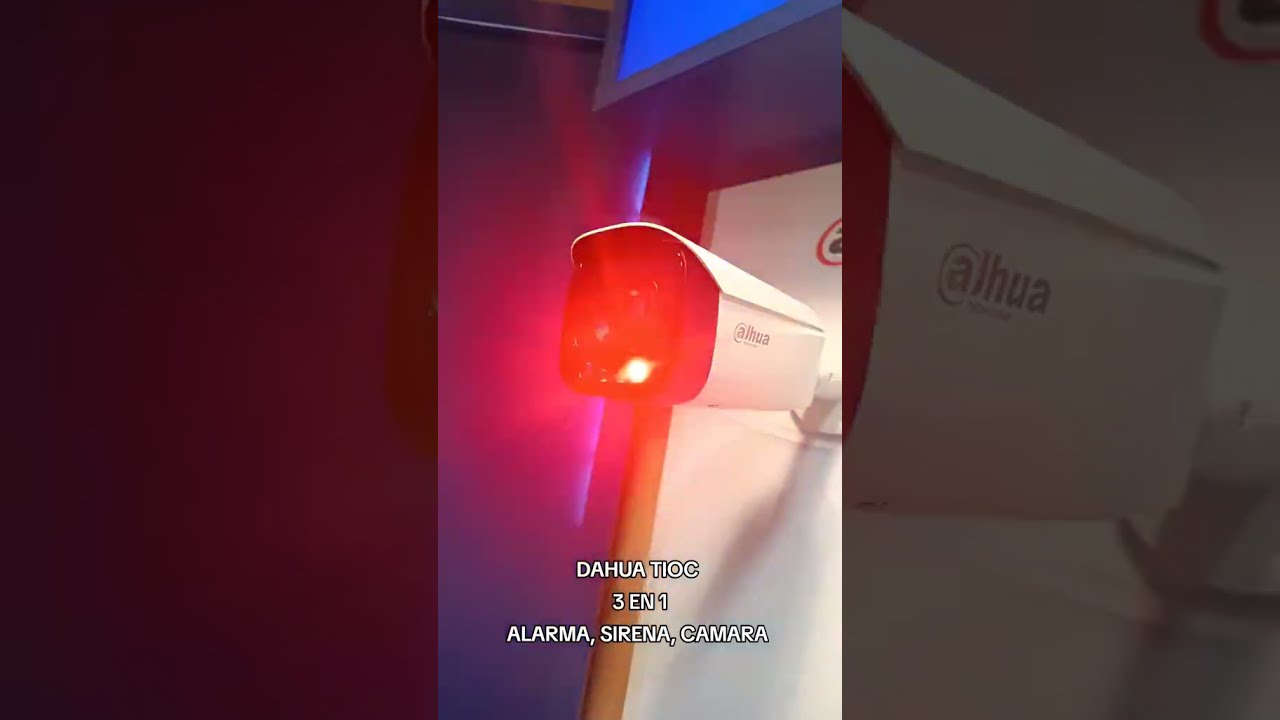
CCTV shines when it ties into events. If the back door forces open after hours, the system bookmarks the video and notifies the on-call manager with a 20-second clip, not just a buzzer on a panel. If access badges are used, pull door events into the VMS so you can click from a badge swipe to the exact video segment. This solves more cases in minutes than hours of scrubbing timelines.
Edge recording is useful for resiliency. Some IP cameras support SD cards as a buffer if the network link drops. Configure them as a failover, not a primary store. On restoration, have the VMS backfill the gap. Test this before relying on it.
Designing for growth
Businesses change. Plan cable home runs with 25 to 40 percent spare capacity in conduits where possible. Choose a recorder or VMS that can scale without forklift upgrades. Standardize camera models and firmware branches across sites to simplify maintenance. Keep a build sheet with lens settings, profiles, and naming conventions so new installs match the existing fleet. The cheapest way to grow is to avoid rethinking the basics every time.
Where a do-it-yourself approach fits
Some owners ask for an IP camera setup guide so they can handle small additions. That is reasonable for noncritical areas. Provide them with a simple naming scheme, a lens calculator link, and rules for minimum mounting heights and cable bend radius. For anything tied to compliance, cash handling, or liability, keep installation and verification in professional hands. The risk of a missed angle or failed recording shows up when you least want it.
Final checks before signing off
Before you declare a system complete, run a live drill. Simulate a theft at the register, an after-hours entry, and a slip-and-fall in a hallway. Can the designated staff pull the clip within five minutes? Does the video clearly show faces, hands, and items exchanged? Is audio disabled where required? Are privacy masks correctly applied? Are time stamps accurate within a second of your standard time?
Make a short, plain-language guide for managers that covers how to search, how to export, and who to call for support. Store a laminated copy near the recorder and a digital version in the company intranet. An elegant system is only as good as the people who use it.
A quick comparison when choosing system architecture
- Wired Ethernet with PoE: best for reliability, security, and long-term maintenance. Plan for VLANs, UPS, and surge protection. Wireless backhaul: acceptable for specific links when wired is impossible. Use point-to-point bridges, encrypt links, and budget for alignment and power protection. On-prem NVR: straightforward for single sites. Ensure RAID, UPS, and controlled access. Server-based VMS: scales across sites, supports redundancy and analytics. Requires IT coordination and disciplined change control. Cloud-managed hybrids: convenient for multi-site oversight and user management. Validate bandwidth, retention costs, and data residency needs.
The Fremont note and local practices
Regional codes and expectations vary. In cities like Fremont, local permitting, exterior camera positions relative to sidewalks, and building aesthetics often require coordination with the city planning or building department. Businesses looking for security camera installation Fremont should expect vendors to understand local lighting ordinances, conduit painting requirements, and how to avoid pointing cameras into neighboring residential windows. A good integrator brings https://telegra.ph/Choosing-the-Right-Lens-for-CCTV-Depth-of-Field-and-Identification-Distances-10-10-2 sample footage from similar local installs, so you do not have to imagine how your site will look at night under Bay Area fog.
What success looks like
When a system is designed with purpose, the footage answers questions quickly. You can pull a clear clip of the person who forced a door, read the badge used at 7:42 p.m., and show the exact package handoff at door six. Staff rely on it instead of working around it. Auditors find the logs complete and the retention consistent. You do not wonder whether a crucial camera stopped recording last week because your dashboard would have told you.
A commercial CCTV system is an operational asset, not just a deterrent. Build it with coverage you can defend, compliance you can prove, and components you can maintain. Whether you favor hardwired networks or must use a wireless bridge for a remote shed, whether you pick domes or turrets, whether your need is a small shop or a sprawling campus, the same truth holds: good design is the cheapest line item you will ever approve.
And when you stand under that entrance canopy, sixty days after go-live, and zoom in on a face with crisp detail and perfect time alignment, it will be obvious where the real value came from.